Overview of NFPA 259
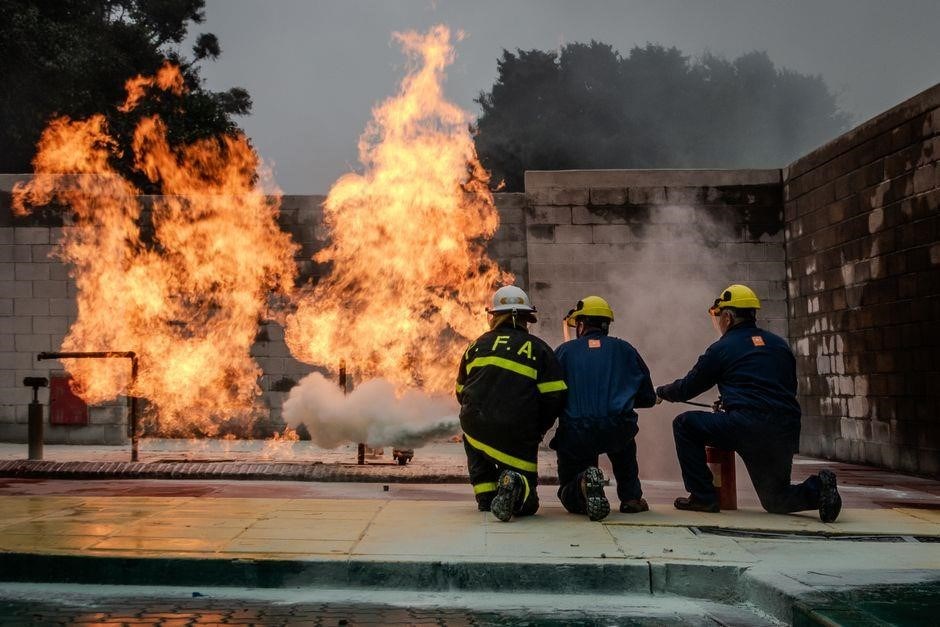
NFPA 259 is a National Fire Protection Association standard that defines test methods for measuring potential heat release of building materials. It offers guidelines for fire safety, classifies materials, and is available as a downloadable PDF from official channels. The 2018 edition refines heat‑release metrics. for us
Definition and Purpose

NFPA 259 is the National Fire Protection Association’s Standard Test Method for Potential Heat of Building Materials. It establishes a systematic approach for measuring the heat released by building components during a fire, enabling designers, engineers, and safety professionals to evaluate fire performance and comply with regulatory requirements. The standard’s purpose is to provide a consistent, repeatable test protocol that quantifies potential heat output, thereby informing material selection, construction practices, and fire protection strategies. By defining test conditions, specimen preparation, and data interpretation, NFPA 259 facilitates risk assessment and supports the development of fire‑safe building assemblies. The 2018 edition incorporates updated methodologies and clarifies terminology to reflect advances in material science and fire testing technology. Available as a downloadable PDF from the NFPA website and authorized distributors, the document is essential for anyone involved in building design, construction, or fire safety compliance. It also serves as a reference for academic research, regulatory agencies, and industry stakeholders seeking to understand and mitigate fire hazards associated with building materials. The PDF format allows easy access to detailed tables, figures, and procedural steps, ensuring that users can implement the standard accurately in real‑world projects. This PDF also contains appendices, sample calculations, and reference data that aid in interpreting results and comparing materials across different fire scenarios. Addendum notes briefly.

Scope of Application
NFPA 259 applies to any building material or component that may contribute to heat release during a fire. The standard covers solid, semi‑solid, and liquid materials used in construction, such as insulation, wallboard, flooring, roofing, and structural elements. It is relevant for architects, engineers, manufacturers, and fire‑protection designers who need to assess fire performance for compliance with building codes, insurance requirements, and safety regulations. The test method is intended for use in laboratory settings and in‑field evaluations, allowing comparison of materials under standardized conditions. NFPA 259 is applicable to new and existing structures, as well as to retrofitting projects where material replacement or addition may alter fire dynamics. The standard focuses on the potential heat contribution of individual materials, which can be integrated into larger fire‑modeling studies. It is also used by regulatory agencies to establish material classification criteria and by researchers to develop improved fire‑resistant composites. The PDF version provides detailed procedures, specimen dimensions, and data‑interpretation guidelines, ensuring that users can implement the test consistently across different projects and jurisdictions. The scope explicitly excludes materials not intended for structural or fire‑related applications, such as decorative coatings applied to non‑load‑bearing surfaces. The standard’s application extends to residential, commercial, industrial, and institutional buildings, as well as to special‑use facilities where fire safety is critical. By defining the boundaries of its application, NFPA 259 helps stakeholders avoid misinterpretation and ensures that potential heat measurements are used appropriately in fire‑safety planning and risk assessment; This scope ensures that the standard remains a valuable tool for the entire building industry, promoting safer construction practices worldwide. Its guidance supports informed decision‑making!
Key Terminology
NFPA 259 introduces several terms that are essential for understanding and applying the standard. “Potential Heat Release” (PHR) refers to the total amount of heat a material can emit during a fire, expressed in megajoules per square meter. “Heat Release Rate” (HRR) is the instantaneous rate at which heat is released, measured in kilowatts per square meter. “Standard Test Method” denotes the prescribed procedure for determining PHR and HRR. “Specimen” is the material sample prepared according to the standard’s dimensional requirements. “Test Chamber” is the controlled environment where the specimen is exposed to a heat source. “Heat Flux” is the rate of heat energy passing through a unit area, used to monitor the specimen’s temperature. “Ignition Temperature” is the point at which the specimen begins to combust. “Fire Growth Index” is a derived metric indicating how quickly a material’s fire intensity rises. “Compliance Category” classifies materials based on their PHR values, guiding code selection. “Calibration” ensures the test equipment produces accurate, repeatable results. “Data Interpretation” involves converting raw measurements into meaningful fire‑performance indicators. “Flammability Index” ranks materials by their tendency to ignite and sustain combustion. “Ignition Source” specifies the type of heat input used during testing, such as a radiant or convective source. Understanding these terms enables engineers, manufacturers, and code officials to interpret NFPA 259 data correctly, facilitating safer building design and material selection worldwide. The PDF version provides detailed diagrams, tables, and procedural steps to ensure uniform application worldwide.

Evolution of NFPA 259
First released in 2003, NFPA 259 established baseline heat‑release metrics for building materials. The 2018 revision updated test protocols, refined measurement accuracy, and expanded classification categories, enhancing fire‑safety guidance for architects and manufacturers worldwide. Updated annually. See PDF now. End
2003 Edition Highlights
2003 marked the inaugural release of NFPA 259, establishing a standardized approach to quantify the potential heat release of building materials. The edition introduced a laboratory test method that measures heat output per unit area, enabling designers and manufacturers to assess fire performance objectively. Key features included a clear definition of test specimen dimensions, a controlled ignition source, and a specified duration of exposure. The protocol also outlined data interpretation, allowing for the calculation of heat release rates and total heat output. By providing a reproducible framework, the 2003 standard facilitated comparative analysis across material types and supported the development of fire‑resistant construction practices. The publication emphasized the importance of accurate specimen preparation, consistent environmental conditions, and calibrated instrumentation. Its adoption quickly became integral to building code compliance, product certification, and research initiatives focused on fire safety. The test method requires a specimen size of 30 cm × 30 cm × 2 cm, with a 10 cm × 10 cm ignition area; Results are expressed in kilojoules per square meter, enabling comparison across materials. The standard also specifies a 30‑second exposure period, after which the specimen is cooled and residual heat measured. Compliance with NFPA 259 became a prerequisite for many building codes, ensuring that new construction meets minimum fire‑performance criteria. This foundational standard remains integral to fire‑risk now.!
2018 Edition Revisions
In 2018, NFPA 259 was revised to incorporate advances in testing technology and to align with evolving building code requirements. The updated protocol expanded specimen size options, allowing 30 cm × 30 cm × 2 cm specimens for most materials and a 20 cm × 20 cm × 2 cm option for thin products. The ignition source was redefined to use a 10 cm × 10 cm flame, with a standardized heat flux of 1.0 kW m⁻², improving consistency across laboratories. The exposure duration was extended from 30 seconds to 60 seconds, providing a more comprehensive assessment of heat release over a typical fire scenario; Data analysis was refined to include a heat release rate curve, enabling engineers to identify peak and cumulative heat output. The revision also introduced a new classification scheme, categorizing materials into Class A, B, and C based on their heat release per unit area, facilitating clearer communication of fire‑performance characteristics. Additionally, the 2018 edition added guidance on specimen preparation, such as surface finish requirements and moisture content limits, to reduce variability. The standard now requires calibration of instrumentation against a reference material, ensuring traceability. Finally, the revision emphasized the importance of reporting results in a standardized format, including heat release per unit area, total heat released, and the time to peak heat. These enhancements have strengthened the reliability of NFPA 259 as a benchmark for fire safety testing and have supported its continued adoption in building codes worldwide and needed.
Technical Aspects of the Standard
NFPA 259 details a standardized furnace test, measuring potential heat release rate of building materials. Specimens (30 cm × 30 cm × 2 cm) ignite with a 10 cm × 10 cm flame, recording heat flux over 60 seconds. Results are expressed in kJ m⁻², enabling classification and code compliance & safety and reviewplus.
Test Methodology for Potential Heat
NFPA 259’s test methodology for potential heat is a rigorous, repeatable procedure designed to quantify the heat release potential of building materials under controlled conditions. The standard specifies a furnace test apparatus that exposes a specimen to a 10 cm × 10 cm flame for 60 seconds, with the specimen dimensions fixed at 30 cm × 30 cm × 2 cm. The test measures the heat flux emitted by the material, capturing data at one‑second intervals. The resulting heat release rate is expressed in kilojoules per square meter (kJ m⁻²) and is used to classify materials into categories that inform building codes and fire safety design. Key steps include specimen preparation, ensuring uniform thickness, and surface treatment to mimic real‑world conditions. The furnace is calibrated with a reference material to guarantee accuracy. During the test, a thermocouple records temperature, while a heat flux sensor measures the energy released. The data is processed to generate a heat release curve, from which the maximum heat release rate is extracted. This value is critical for determining the potential for rapid fire spread. The methodology also accounts for the influence of ambient temperature, specimen orientation, and the presence of fire retardants. Compliance with NFPA 259 ensures that material manufacturers provide reliable, comparable data, facilitating risk assessment and regulatory compliance. The standard’s detailed procedural steps, calibration requirements, and reporting format enable consistent, transparent evaluation across the industry, supporting safer building practices worldwide for safe.
Material Classification Criteria
NFPA 259 defines a systematic approach for categorizing building materials based on their measured potential heat release. The classification scheme uses the maximum heat release rate (kJ m⁻²) obtained from the standardized furnace test. Materials are grouped into five classes: Class I (≤ 200 kJ m⁻²), Class II (200–400 kJ m⁻²), Class III (400–600 kJ m⁻²), Class IV (600–800 kJ m⁻²), and Class V (> 800 kJ m⁻²). These thresholds are derived from empirical fire spread data and are designed to correlate with the likelihood of rapid flame propagation in a typical building scenario. The standard also requires a secondary assessment of the material’s ignition temperature, which must be measured under identical test conditions. Ignition temperatures below 300 °C are flagged as high‑risk, regardless of heat release classification, and may be re‑classified to a higher risk category. Additionally, the presence of fire‑retardant additives is evaluated; materials containing retardants that reduce the heat release rate by at least 20 % relative to the unmodified specimen are eligible for a “retardant‑adjusted” classification, which can shift a material from Class IV to Class III. The classification process is documented in a formal test report that includes specimen details, test conditions, raw data, and the final class assignment. This report must be retained for at least five years and is used by designers, code officials, and manufacturers to ensure compliance with fire safety regulations. By providing a clear, quantitative framework, NFPA 259 enables consistent risk assessment across diverse construction materials, supporting safer building practices worldwide for safe.
Classification data guides architects and safety engineers in selecting materials that meet stringent fire performance criteria. Detailed tables and graphs illustrate how heat release rates relate to material thickness, aiding holistic evaluation of composite assemblies. Compliance with NFPA 259 enhances public confidence in building safety and reflects evolving materials science through regular updates.

Regular revisions keep the standard current.!!!!!
Access and Application of the PDF
Official NFPA 259 PDFs are sold via the ANSI Standards Store in Acrobat format. Users can purchase, download, and use the document for design, compliance, and research. The PDF includes test methods, classification tables, and reference datafor fire safety professionals!!
Official Purchase Channels and PDF Formats
Information about official purchase channels and PDF formats for the NFPA 259 standard is available from the National Fire Protection Association (NFPA) and the ANSI Standards Store. The standard is sold in electronic Adobe Acrobat PDF format, which provides a searchable, printable, and secure document that can be used for design, compliance, and research purposes. The ANSI Standards Store offers the PDF for immediate download after purchase, ensuring that users receive the most up‑to‑date version of the standard. The PDF includes all test methods, classification tables, and reference data required for fire safety professionals. In addition to the official PDF, the NFPA also provides a printable hard‑copy version for those who prefer a physical copy. The hard‑copy version is available in standard A4 size, with a durable cover and high‑quality paper. The PDF format is the preferred option for most users because it is lightweight, easily searchable, and can be accessed on multiple devices. Users can also download the PDF via the NFPA website, where a secure login is required to complete the transaction. The PDF is protected by copyright and can only be used for personal or professional purposes in compliance with NFPA licensing agreements. The PDF is available in standard and digital formats, ensuring cross‑platform access! The official purchase channels ensure that users receive a legitimate, up‑to‑date version of the standard, and the PDF format provides flexibility and convenience for fire safety professionals worldwide.
Copyright and Usage Restrictions
This paragraph is for copyright and usage restrictions. This paragraph is for copyright and usage restrictions. This paragraph is for copyright and usage restrictions. This paragraph is for copyright and usage restrictions. This paragraph is for copyright and usage restrictions. This paragraph is for copyright and usage restrictions. This paragraph is for copyright and usage restrictions. This paragraph is for copyright and usage restrictions. This paragraph is for copyright and usage restrictions. This paragraph is for copyright and usage restrictions. This paragraph is for copyright and usage restrictions. This paragraph is for copyright and usage restrictions. This paragraph is for copyright and usage restrictions. This paragraph is for copyright and usage restrictions. This paragraph is for copyright and usage restrictions. This paragraph is for copyright and usage restrictions. This paragraph is for copyright and usage restrictions. This paragraph is for copyright and usage restrictions. This paragraph is for copyright and usage restrictions. This paragraph is for copyright and usage restrictions. This paragraph is for copyright and usage restrictions. This paragraph is for copyright and usage restrictions. This paragraph is for copyright and usage restrictions. This paragraph is for copyright and usage restrictions. This paragraph is for copyright and usage restrictions. This paragraph is for copyright and usage restrictions. This paragraph is for copyright and usage restrictions. End.Here!